10 Beginner Hiking Tips for a Healthier, Safer, and More Enjoyable Time on the Trail
Hiking is one of the easiest ways to improve your health, clear your mind, and spend more time outdoors. You do not need to be an athlete, buy expensive gear, or travel deep into the wilderness to begin. A short local trail, a comfortable pair of shoes, and a little preparation are often enough to turn an ordinary day into something restorative.
Still, hiking is more enjoyable when you know a few basic principles before you go. A good hike is not just about walking. It is about choosing the right trail, pacing yourself, staying safe, caring for your body, and learning how to move through nature with confidence.
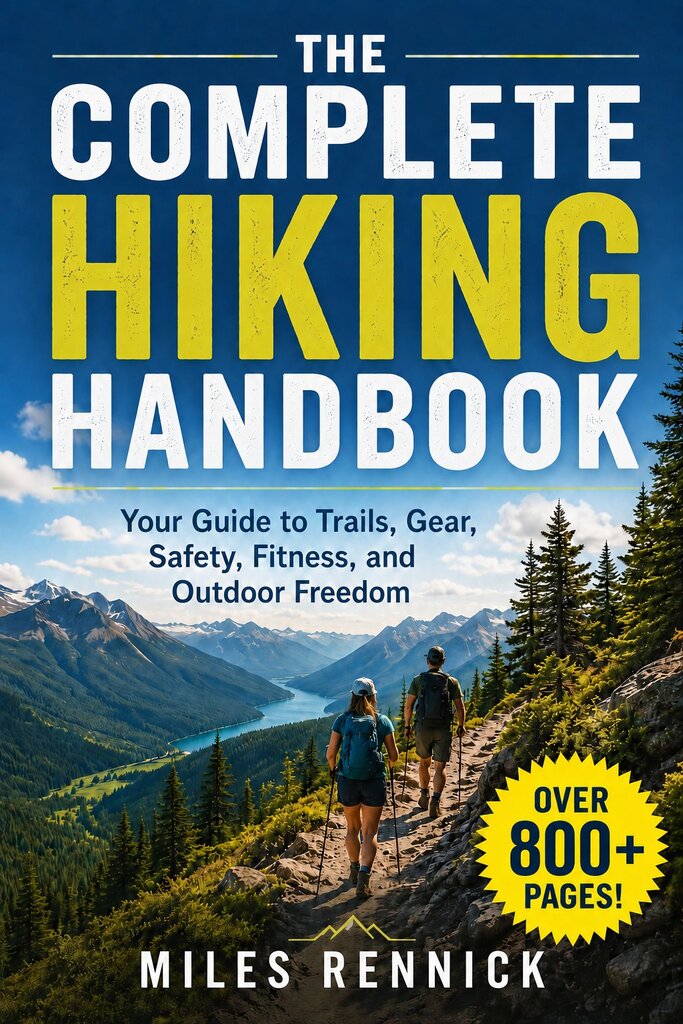
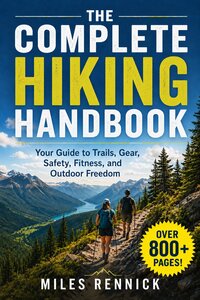
These ten hiking tips are inspired by the practical beginner-friendly approach found in The Complete Hiking Handbook: Your Guide to Trails, Gear, Safety, Fitness, and Outdoor Freedom by Miles Rennick, which covers trail planning, gear, safety, fitness, weather, hydration, recovery, solo hiking, and long-term hiking habits.
1. Start with a Trail That Matches Your Current Fitness
One of the best ways to enjoy hiking is to begin smaller than you think you need to. Many beginners make the mistake of choosing a trail that is too long, too steep, or too remote because they want the hike to feel impressive. But the goal of your first few hikes should not be proving yourself. The goal should be learning how your body feels on the trail.
Choose a short, well-marked route close to home. A local park loop, riverside path, forest trail, or gentle hill is enough. Pay attention to distance, elevation gain, trail surface, and how long the hike is expected to take. A flat three-mile walk feels very different from a steep three-mile climb.
Starting with an easier trail builds confidence. It lets you test your shoes, learn your pace, understand how much water you drink, and return home feeling successful instead of discouraged. A hike does not need to be extreme to be worthwhile.
2. Wear Comfortable Footwear Before Buying Expensive Gear
Foot comfort can make or break a hike. You do not always need heavy hiking boots, especially for beginner trails, but you do need footwear that fits well, supports your feet, and handles the terrain.
For easy local trails, sturdy walking shoes, trail runners, or light hiking shoes may be enough. For rougher ground, mud, rocks, roots, or longer distances, you may want more grip and support. The most important rule is simple: do not try brand-new shoes on a long hike.
Wear your shoes around the house, on short walks, or on easy trails first. Notice any rubbing, tight spots, heel slipping, or toe pressure. Small irritations can become painful blisters after several miles.
Good socks matter too. Avoid cotton if your feet sweat or if conditions are damp. Hiking socks made from wool or synthetic blends usually manage moisture better and reduce friction.
3. Pack Water, Snacks, and an Extra Layer
Even on a short hike, carry the basics. Water, food, and clothing layers are not only for comfort; they are part of hiking safely.
Bring enough water for the distance, weather, and effort level. You may drink more on hot days, steep climbs, or exposed trails. Add a snack even if you do not expect to be hungry. Nuts, granola bars, fruit, sandwiches, or trail mix can help restore energy if the hike takes longer than planned.
An extra layer is also smart. Weather can change quickly, and temperatures can feel cooler in shade, wind, or higher elevations. A light jacket, rain shell, fleece, or warm layer can make the difference between a minor inconvenience and a miserable hike.
The point is not to overpack. The point is to carry enough to handle ordinary surprises.
4. Check the Weather Before You Leave
Weather affects everything: clothing, footwear, trail conditions, visibility, safety, and enjoyment. A trail that is easy on a dry day may become slippery after heavy rain. A pleasant hill walk may become exhausting in extreme heat. A beautiful viewpoint may become risky if wind, fog, snow, or storms move in.
Before leaving, check the forecast for the specific area where you will hike, not just your home address. Mountain, forest, lakeside, and coastal areas can have different conditions from town.
Look for temperature, precipitation, wind, storm risk, and daylight hours. In cooler seasons, check whether snow or ice may still be present. In hot weather, start earlier, carry more water, and choose shaded routes when possible.
A good hiker does not fight the weather. A good hiker prepares for it and adjusts the plan when needed.
5. Pace Yourself from the Beginning
Many beginners start too fast. They leave the trailhead with excitement, push hard up the first hill, and then wonder why they feel tired halfway through the hike.
A better approach is to begin at a pace you can maintain. On hills, shorten your steps and slow down before you become breathless. Take steady breaks when needed. Drink before you are very thirsty. Eat before your energy crashes.
Slow hiking is still hiking. In fact, a slower pace often helps you notice more, enjoy more, and finish stronger. Hiking is not a race unless you decide to make it one.
The best pace is the one that lets you keep going safely while still enjoying the trail.
6. Learn to Read Trail Signs, Maps, and Junctions
Getting lost usually does not happen all at once. It often begins with one missed sign, one wrong turn, or one assumption that “this must be the way.”
Before you start, look at the route. Notice the trail name, distance, loop direction, major junctions, landmarks, and return point. Take a photo of the trailhead map if one is posted. Use an offline map if cell service may be unreliable.
At junctions, stop and confirm your direction. Do not keep walking while half-guessing. Look for trail markers, signs, blazes, or map details. If something feels wrong, pause early rather than continuing deeper into uncertainty.
Navigation does not need to be complicated for beginner hikes, but it does require attention. A few seconds of checking can prevent a long, frustrating detour.
7. Turn Back Before a Small Problem Becomes a Big One
Turning back is not failure. It is one of the most important hiking skills.
Maybe the weather changes. Maybe your knee starts hurting. Maybe the trail is muddier than expected. Maybe daylight is running short. Maybe someone in the group is tired, anxious, or underprepared. A wise hiker knows that the destination is optional, but returning safely is not.
Many hiking problems become serious because people ignore early warning signs. They keep going because they feel embarrassed, stubborn, or attached to the plan. But the trail will still be there another day.
A successful hike is not always the one where you reach the viewpoint. Sometimes it is the one where you make the right decision at the right time.
8. Respect Your Feet, Knees, and Energy
Hiking is healthy, but it still asks real work from the body. Climbs challenge the lungs and legs. Descents can strain the knees. Uneven ground uses stabilizing muscles. Long distances can create fatigue even when the trail looks easy on paper.
Pay attention to your body. If you feel a hot spot on your foot, stop and adjust your sock or shoe before it becomes a blister. If your knees hurt on descents, slow down, take shorter steps, and consider hiking poles for future outings. If you feel dizzy, chilled, overheated, or unusually weak, stop and respond.
The goal is not to push through everything. The goal is to build a hiking life you can continue. Respecting your limits helps you grow stronger over time.
9. Leave the Trail Better Than You Found It
Good hiking is not only about personal enjoyment. It is also about respect for the land and other people.
Stay on marked trails where required. Do not cut switchbacks. Pack out everything you bring in, including food wrappers, tissues, and fruit peels. Keep noise reasonable. Give wildlife space. Do not feed animals. Respect signs, closures, private property, and local rules.
Trail etiquette also includes courtesy toward other hikers. Let faster hikers pass when safe. Keep dogs under control where they are allowed. Avoid blocking narrow paths during breaks. Be friendly, but respect people who are there for quiet.
The outdoors feels welcoming when everyone treats it with care.
10. Make Hiking a Habit, Not a One-Time Event
The real benefits of hiking come from returning to the trail again and again. One hike can refresh you, but a hiking habit can change your fitness, stress level, confidence, and relationship with the outdoors.
You do not need to hike every day. Start with one short hike each week or a couple of local walks each month. Visit the same trail in different seasons. Try a new route when you feel ready. Gradually increase distance or difficulty. Keep notes about what you enjoyed, what you packed, what you forgot, and how your body felt.
Over time, hiking becomes easier to fit into life. You learn which trails are good after rain, which shoes work best, how much water you need, and what kind of hikes make you feel most alive.
A hiking lifestyle is built one trail at a time.
Final Thoughts
Hiking is simple, but the simple things are often the ones that matter most. A trail can give you movement, fresh air, mental clarity, confidence, adventure, and a healthier rhythm of life. You do not have to begin perfectly. You only have to begin wisely.
Start small. Prepare well. Pay attention. Respect your body. Respect the land. Come home safely. Then go again.
For readers who want a complete beginner-friendly guide to hiking, The Complete Hiking Handbook by Miles Rennick offers a practical path through trail planning, gear, safety, fitness, navigation, weather, food, recovery, solo hiking, and building hiking into everyday life. It is designed to help new hikers step onto the trail with more confidence, comfort, and outdoor freedom.
Get More Free Articles
Books for Further Reading